Overview
Chad is currently facing one of the most complex and rapidly growing displacement crises in the region. Since the outbreak of conflict in Sudan in April 2023, hundreds of thousands of refugees have crossed into Eastern Chad in search of safety from violence and instability. Today, the country hosts over 1.5 million refugees and forcibly displaced people, placing immense strain on already fragile health systems and limited food resources.
Eastern Chad, where Dougui Refugee Camp is located, has been particularly affected. Camps are overcrowded, infrastructure is limited, and access to basic services remains critically insufficient. Food insecurity is widespread, and healthcare services—especially those tailored to women—are unable to meet the scale and urgency of needs.
Within this context, women and children are disproportionately impacted. Many women arrive after experiencing trauma, displacement, and prolonged disruption to essential services. Pregnant and lactating women, in particular, face heightened risks, including malnutrition, complications during pregnancy and childbirth, and untreated infections or chronic conditions.
At the same time, limited access to adequate and nutritious food directly affects women’s health and the well-being of their children. The link between nutrition and health outcomes becomes especially critical in emergency settings, where even short-term food shortages can rapidly lead to severe health deterioration.
SAMA & THF Response
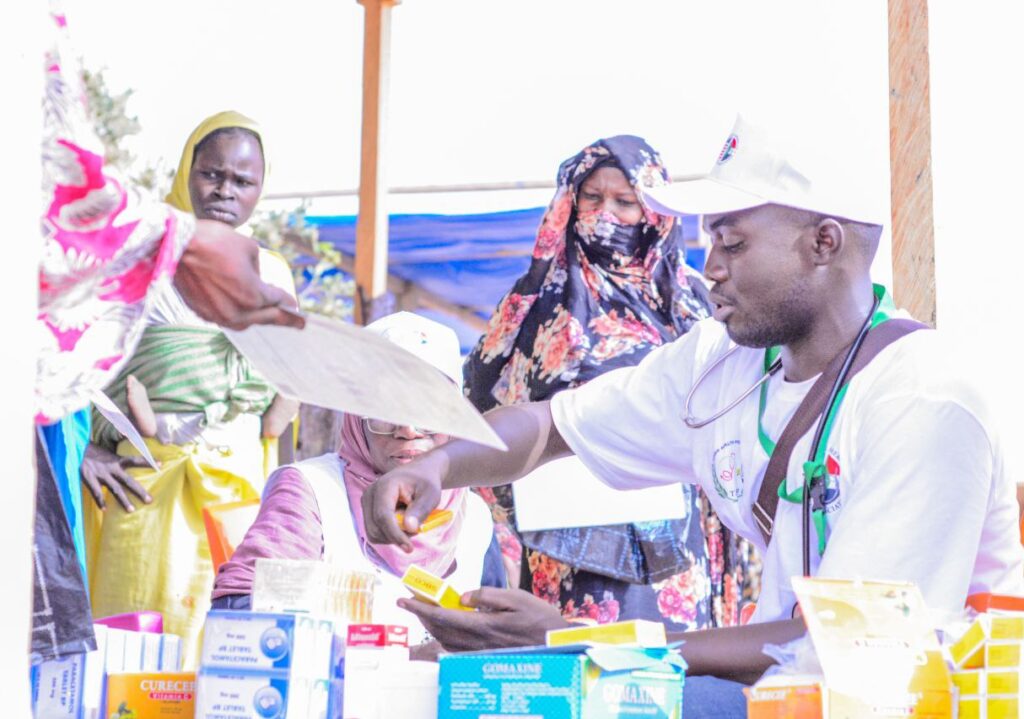
In response to these urgent and interconnected needs, SAMA, in partnership with Tchad Health Foundation (THF), launched a Women’s Health and Feeding Program in Dougui Refugee Camp.
Originally planned for Adré, the project was relocated due to security constraints, highlighting the need for flexibility in a rapidly changing operational environment. Despite these challenges, the team quickly re-established operations and implemented an integrated response that places women’s health at its core, supported by targeted food assistance to stabilize vulnerable households.
By combininghealthcare services for women and children with food distribution, the program addresses both the immediate and underlying drivers of vulnerability—ensuring a more holistic, effective, and dignified humanitarian response.
Target Population
The response prioritizes the most vulnerable groups within Dougui Camp, including:
- Pregnant and lactating women
- Survivors of gender-based violence (GBV)
- Women and children with urgent health needs
- Highly vulnerable households with limited access to food and services
Through close coordination with camp leadership structures, including zone leaders and women’s representatives, 300 of the most at-risk families were identified for assistance.
Response Approach
Given the complex and resource-constrained environment, the intervention was designed to be rapid, flexible, and community-informed. Key elements included:
- Community-based targeting: Working with camp leaders to identify those most in need
- Integrated service delivery: Combining food assistance, healthcare, and GBV support
- Mobile service provision: Establishing temporary facilities to reach beneficiaries directly within the camp
- Partnership with local health systems: Coordinating with the Chokoyon Health District to ensure continuity of care
This approach enabled the team to respond effectively despite logistical, security, and regulatory challenges.
Key Activities
Impact
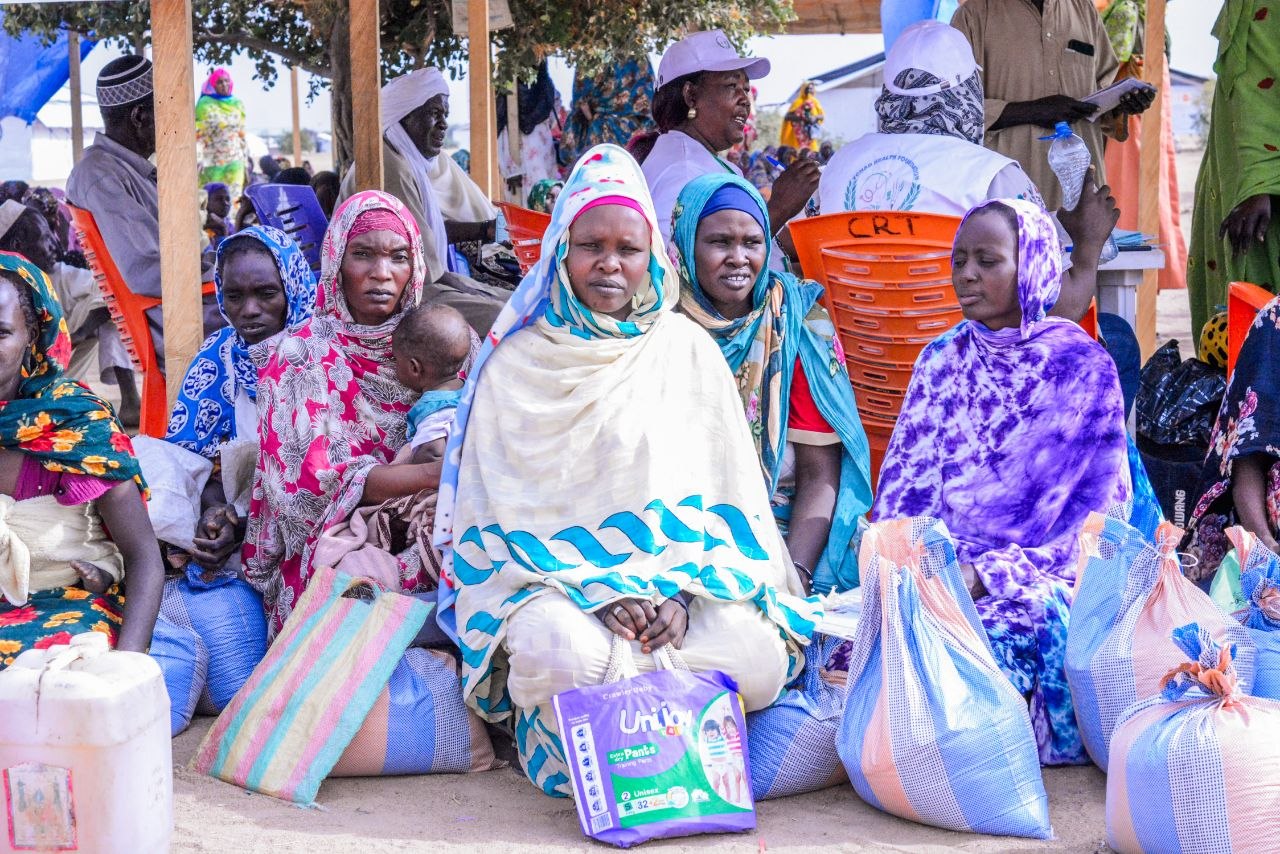
The intervention delivered immediate and tangible results:
- 300 families received food assistance, benefiting over 1,000 individuals
- 200+ women and children accessed healthcare services and essential medications
- 30 women and girls with urgent GBV-related needs received direct support
- Increased awareness of GBV and improved community engagement on women’s health issues
- Strengthened trust between humanitarian actors and the refugee community
Beyond numbers, the project contributed to restoring dignity, improving access to care, and creating safer pathways for vulnerable women and girls to seek support.
Challenges and Adaptation
The response took place in a highly challenging context, including:
- Sudden relocation due to security constraints
- Limited infrastructure and long travel distances
- Restrictions on certain medical services
- High and growing levels of need
To address these challenges, SAMA and THF adopted a flexible and adaptive approach—adjusting operational plans, strengthening partnerships, and continuously engaging with the community.