
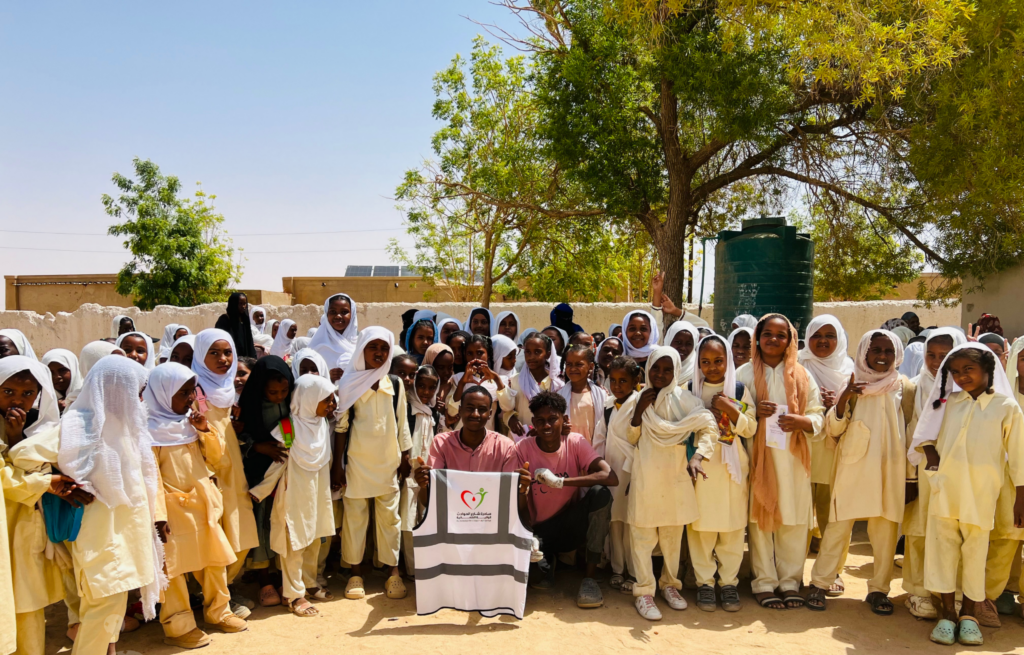
When dengue fever spread through Al-Zouma villages, SAMA mobilized a local partner to reach over 7,400 people with awareness, vector control, and health system support.
Overview
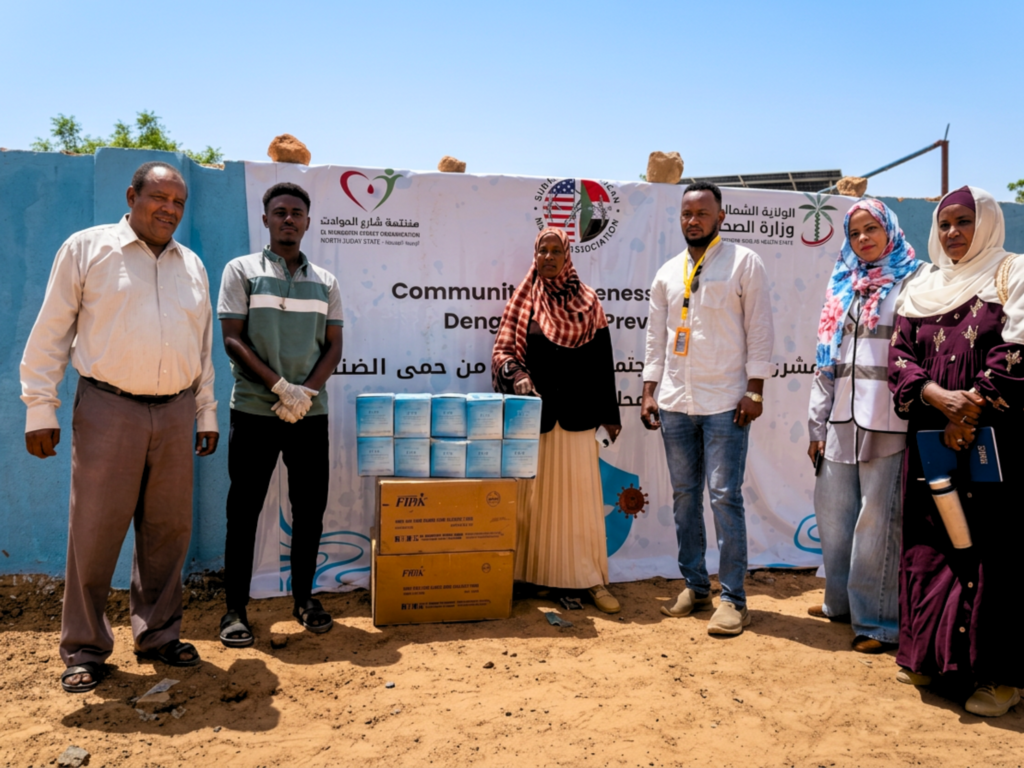
With generous funding from SACDO and in partnership with Al-Hawadith Street Organisation, SAMA implemented a two-month community health intervention in response to a dengue fever outbreak in Al-Zouma villages, Merowe Locality.
Running from April 15 to June 15, the project combined public health education, mosquito control campaigns, volunteer training, and support to the local health facility, addressing the outbreak at the community level before it could escalate.
Who Was Reached
Males
Females
Children
Households
What We Did
Impact
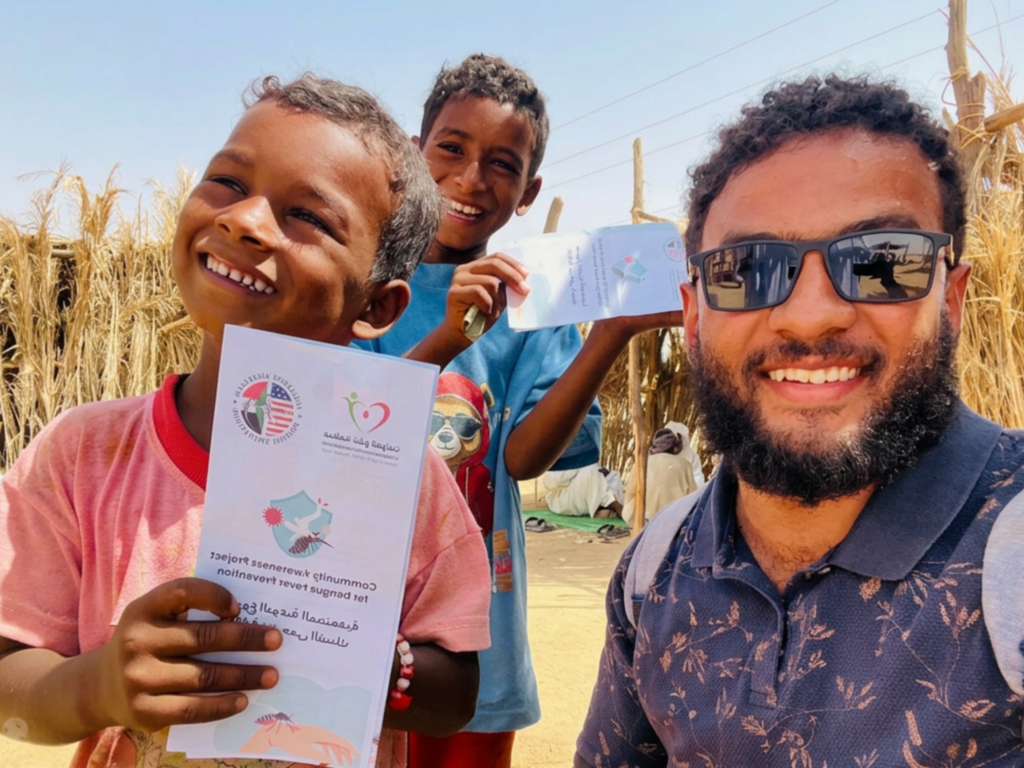
- 7,451 people reached across Al-Zouma villages
- Community knowledge of dengue symptoms and prevention methods increased
- Spraying and fogging campaigns completed across targeted areas
- Local health center capacity strengthened
- Volunteer network trained and activated for sustained community health work
- Coordination between the community and health authorities reinforced
Our Approach
SAMA works through trusted local organizations who know their communities. In Merowe Locality, Al-Hawadith Street Organisation led every aspect of implementation — from volunteer training to vector control to health facility coordination. SAMA’s role was to resource, guide, and support. This is how we ensure interventions are effective, accountable, and owned by the communities they serve.