SAMA Superhub Report (Jan – July 2026)
Learn how SAMA Utilizes the Project ECHO Model to Deliver Knowledge During Crises
Founded in 2008, the Sudanese American Medical Association (SAMA) has spent nearly two decades supporting underserved communities through medical missions, humanitarian response, and capacity building. Over time, SAMA has evolved from direct service delivery toward a more sustainable approach focused on empowering local health systems through innovation and mentorship.
In 2021, SAMA partnered with University of New Mexico (UNM) and became a Project ECHO hub, adopting a model that reflects the principle of “all teach, all learn.” This marked a strategic shift toward building continuous learning systems, where knowledge is shared, contextualized, and sustained locally. Since then, SAMA has actively used the ECHO model to train healthcare providers in Sudan across a range of critical specialties, including Emergency Medicine, Cardiology, Infectious Diseases, Diarrheal Diseases, Trauma, and Nutrition
SAMA as a Superhub
In 2025, SAMA was designated as a Superhub, recognizing its leadership in implementing and scaling this model. As a Superhub, SAMA recruits, trains, and mentors new ECHO partners—expanding a proven framework for innovation-driven, mentorship-based health workforce development across Sub-Saharan Africa and the Middle East.
The ECHO Model: Innovation Through Digital Learning
SAMA utilizes the ECHO model as an innovative, case-based learning approach where healthcare providers present real cases from their own clinical environments. These cases form the foundation for guided discussions with peers and experts, enabling participants to exchange best practices and apply up-to-date evidence in real time.
This model is enabled through a digital learning ecosystem, including:
- Videoconferencing for live, interactive case discussions
- The iECHO platform for session management, participation tracking, and data monitoring
- Recorded sessions and digital repositories for continuous, asynchronous learning
Through this approach, education becomes ongoing, collaborative, and embedded in practice, rather than one-time or externally driven.
Smart ECHO Hubs: Innovation in Access
To address barriers such as unreliable electricity and limited internet connectivity, SAMA introduced the Smart ECHO Hub model, a practical innovation designed to ensure equitable access to learning.
These hubs are locally hosted, owned, and operated, and are equipped with:
- Solar-powered energy systems
- Reliable internet connectivity
- Core digital infrastructure to support virtual training and collaboration
By anchoring digital learning within physical, community-based hubs, SAMA ensures that providers in rural and underserved areas can consistently participate in high-quality training.
Mentorship: The Core of Sustainability
While technology enables access, mentorship is the foundation of SAMA’s model.
SAMA provides continuous mentorship and support to each hub, including:
- Training local teams in facilitation, case-based learning, and program leadership
- Supporting the development of locally relevant training programs
- Guiding the use of digital tools such as iECHO
- Providing ongoing coaching to ensure quality, consistency, and growth
This sustained mentorship transforms hubs from training sites into locally led, self-sustaining learning systems, capable of independently expanding their reach and impact.
Scalability and Flexibility
- Replicable Structure: Our “Smart Hub” blueprint allows for swift replication across diverse regions, bringing specialized mentorship to even the most remote areas.
- Agility in times of crisis: The model is inherently agile that can instantly address urgent public health priorities including outbreak responses, disease surveillance, and emergency risk communication (RCCE).
- High impact, low overhead: By leveraging tele-mentoring, a single hub reaches hundreds of providers simultaneously, removing the need for costly travel or massive infrastructure investments. We move knowledge, not people.
- Local Ownership: Sustainability is driven by local leadership. Each hub is adapted to its specific regional context, ensuring that healthcare solutions are culturally relevant and maintained by the community they serve.
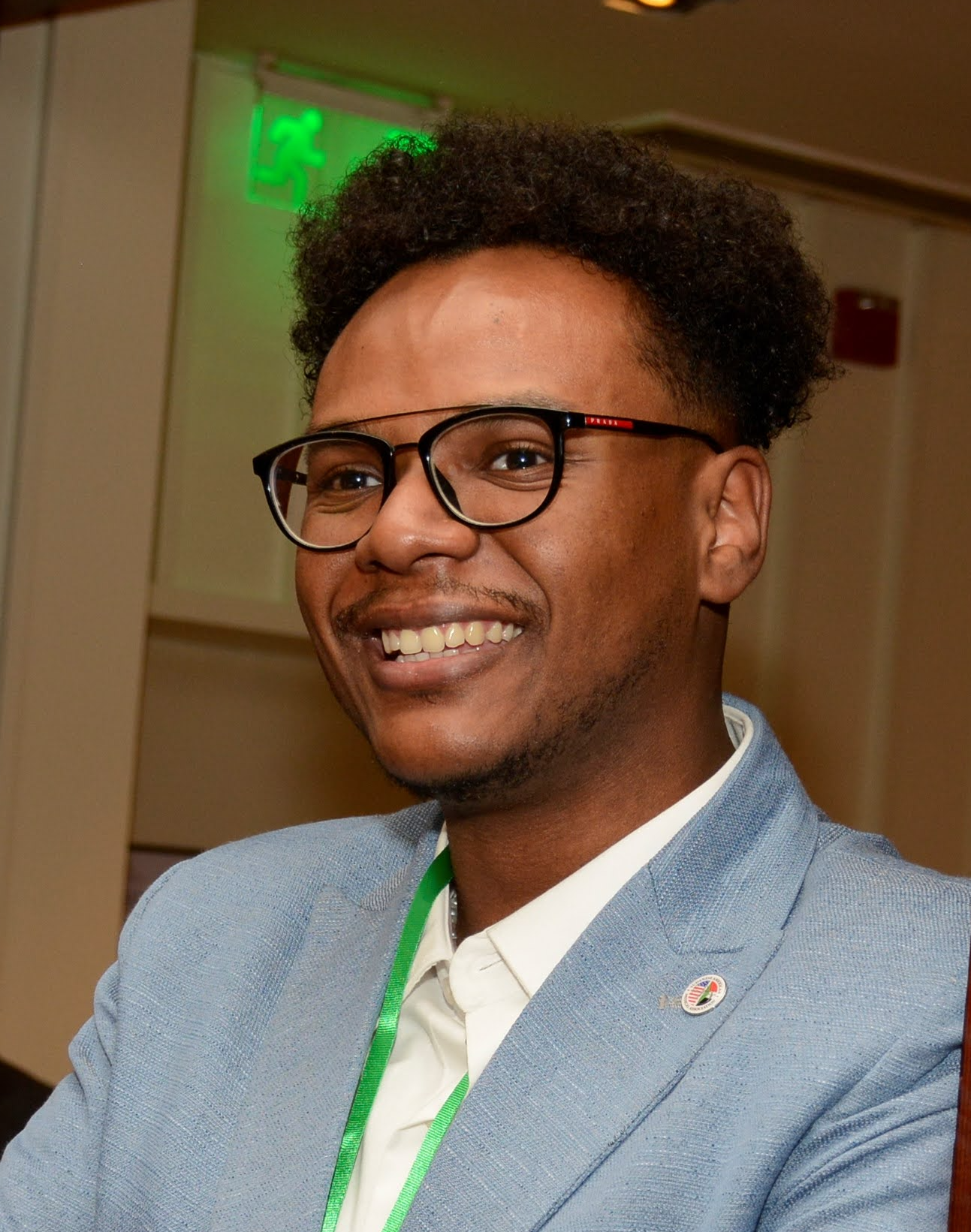
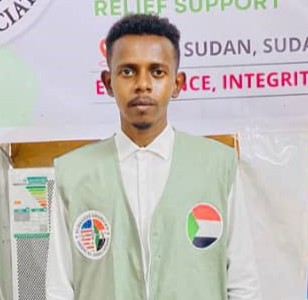
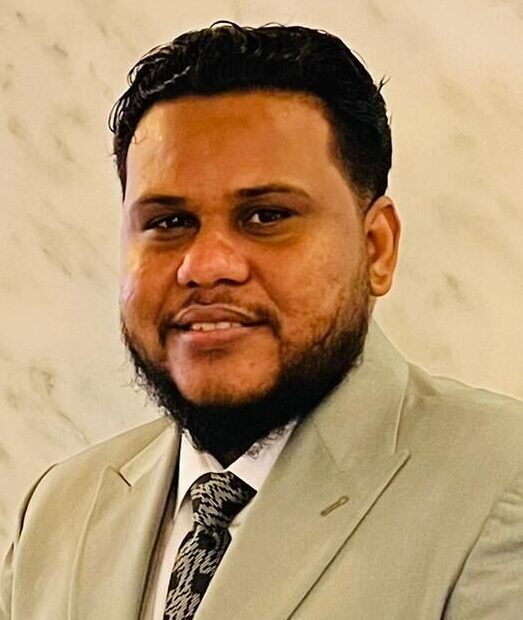
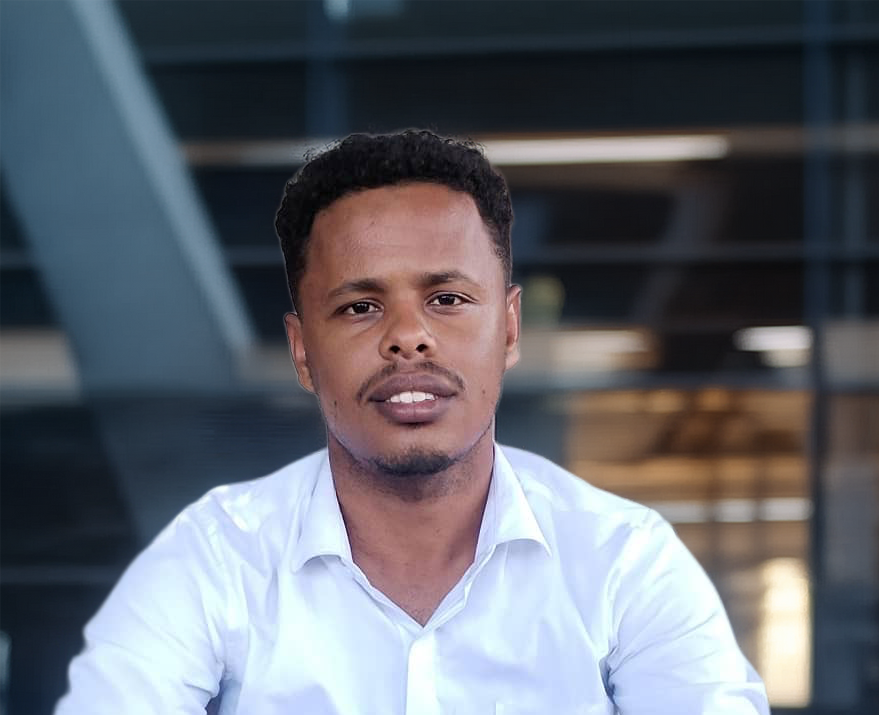
Superhub Team
Sudan ECHO hubs
Khartoum Medical Students Association on behalf of Khartoum University
Kassala Medical Students Association on behalf of Kassala University
Shendi Medical Students Association on behalf of Shendi University
Red Sea Medical Students Association and Haj Malik Research Group on behalf of Red Sea University
Partner Launch Trainings (PLTs)
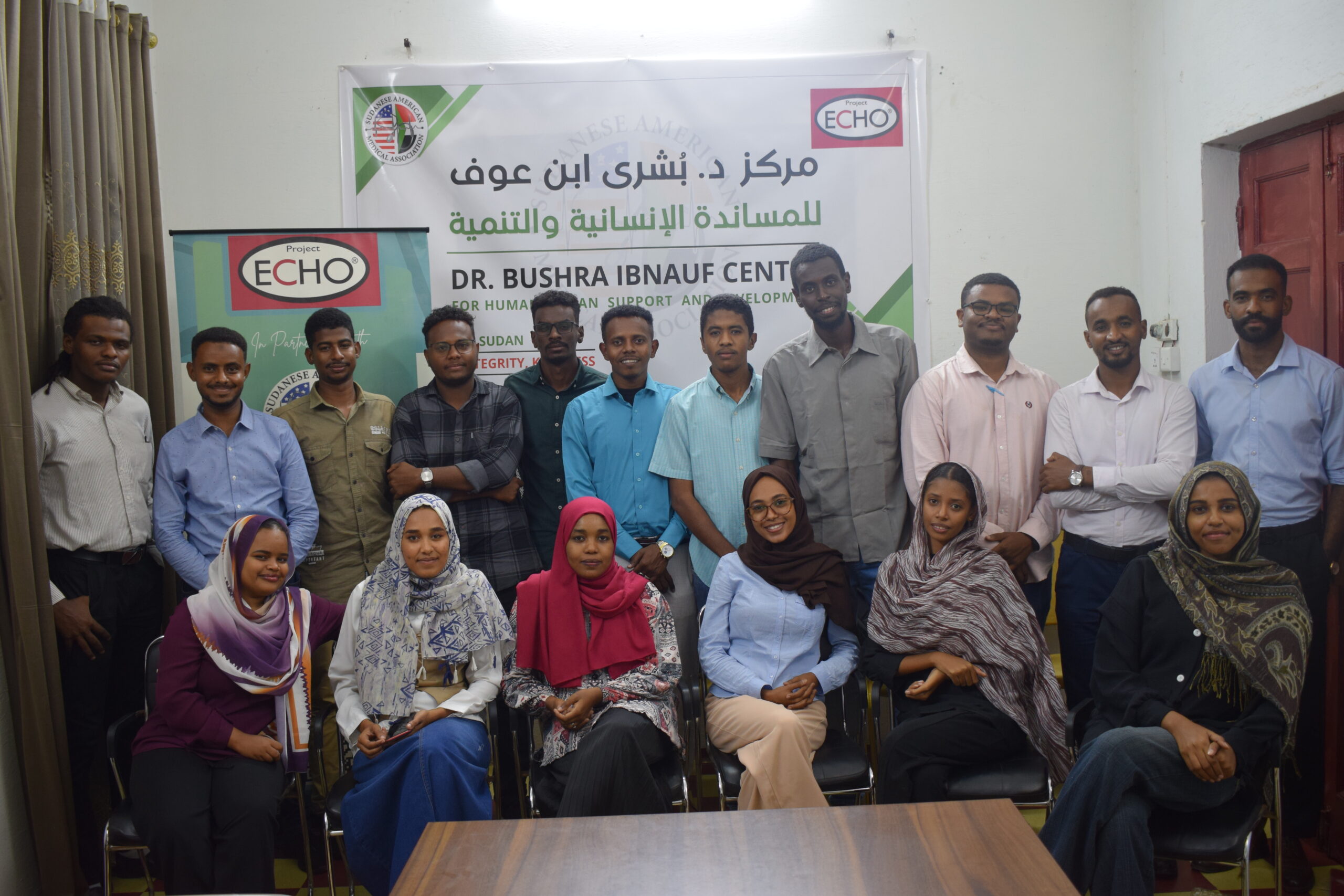
PLT – January, 2026
Contact us
Building equitable health systems requires collaboration. If you share our vision and would like to support or partner with SAMA, we would be glad to hear from you.
Reach out to explore how we can work together.